
Elgin homeowners see full encapsulation land between $4,000 and $14,000, positioned by square footage, water management, and framing condition. Every Elgin quote from Columbia Crawl Spaces follows a free photographed inspection with readings.
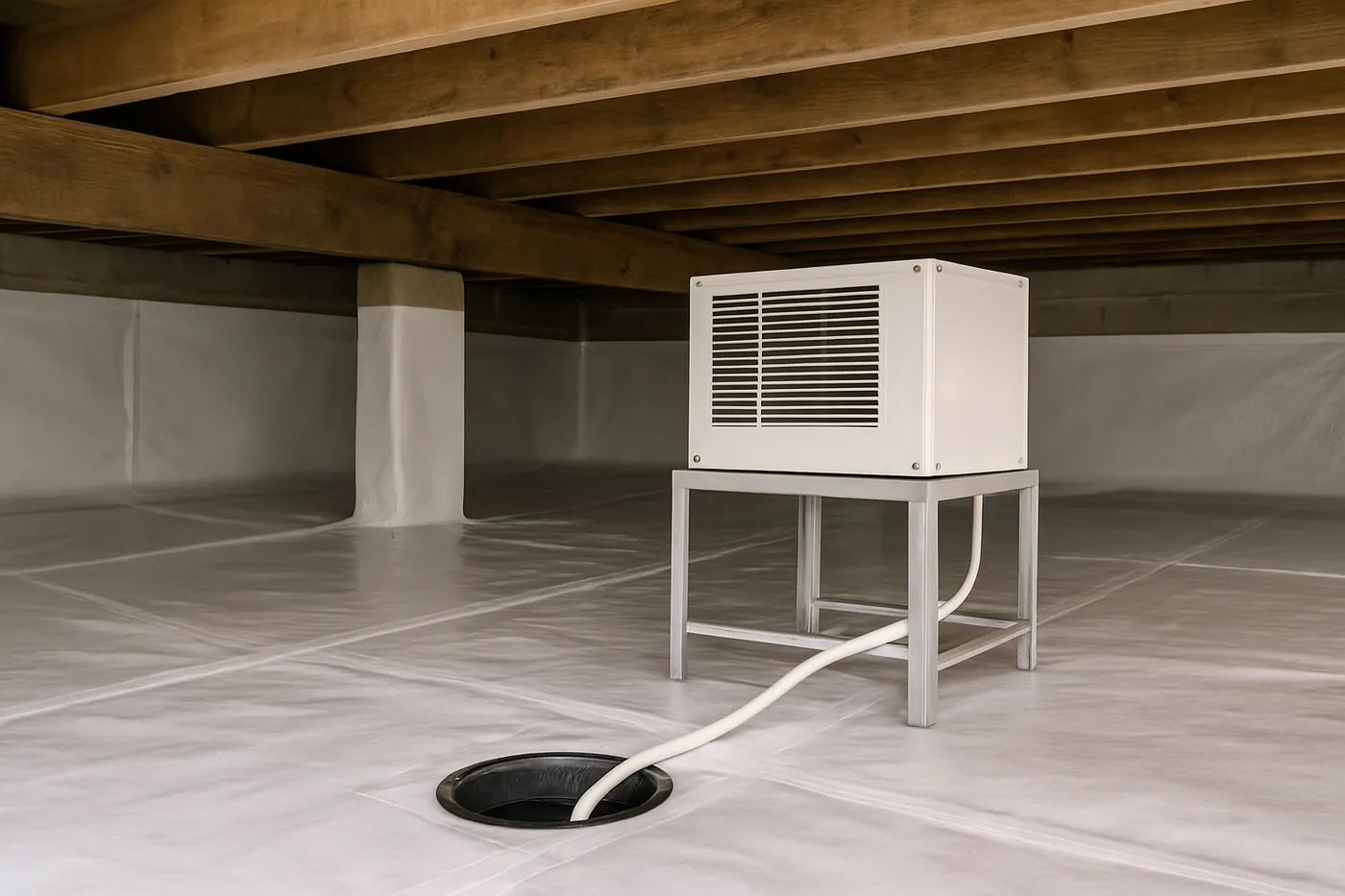
Deep sandhills character
Elgin sits where the sandhills speak loudest: fast-draining ground that almost never puddles, pine-country lots, and a rail-town core ringed by newer corridor growth. Crawls here run the purest vapor economy in our territory — liquid water is rare, ground exhale is constant, and vented summer air does the annual damage quietly. The stock splits old-town character homes and young subdivisions, both breathing the same sandy ground.
The Elgin configuration
Scopes here are the vapor playbook at full strength: ground seal as the anchor stage, right-sized drying, vents closed — and drainage lines almost never on the quote, in writing, because the water trace almost never orders them. Old-town homes add fitted-liner care and occasional sill attention; subdivision stock installs clean. Honest configurations, photographed proof, corridor-wide.
Asked in Elgin
Is sandy ground basically good news for a crawl?
Half good: you skip standing water and its drainage costs, but sandy exhale plus vented summers still parks RH above the line. The fix is cheaper here — seal and dry without water stages — which is genuinely the better half of the deal.
Our old rail-town house has a shallow crawl with sandy floor. Standard job?
Standard physics, fitted execution: shallow sandy crawls take carefully fitted Class I liners and compact drying, with access labor priced honestly. The sandy floor actually helps — dry working conditions and no water stage — so these compact jobs often land friendlier than owners fear.
Does sandy Elgin ground mean I can skip the vapor barrier?
No — sand passes liquid fast but breathes vapor constantly, and the crawl above it still traps that vapor against cool framing. What sand changes is the stage list: drainage stages are rarer (water self-clears), so scopes here concentrate on sealing and drying. The barrier is the one component sandy ground makes more important, not less.
Our Elgin house is on the clay-sand boundary. Which rules apply?
Whichever the probe finds — boundary lots can carry both within one footprint, clay pocket at one corner, sand at the other. The inspection maps it: readings and a soil check corner by corner, then a scope that might legitimately include one drainage run on the clay side and none on the sand side. Boundary geology is why templates lose to instruments.
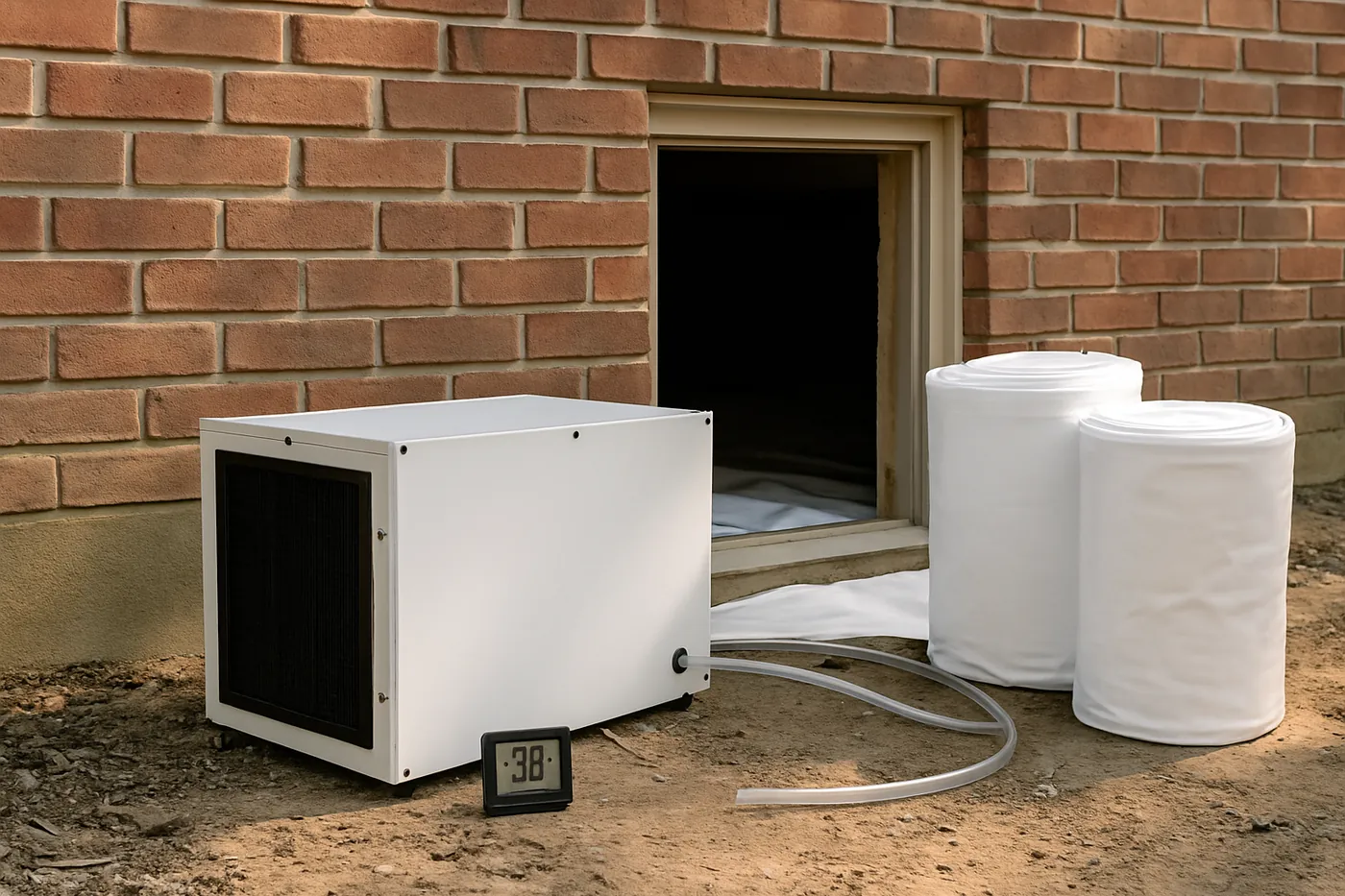
Booking in Elgin
Inspections in Elgin schedule within days — form below or a call. Comparing quotes? Bring them: ours arrives itemized with photographs and readings. Prices live in the cost guide.
Get a free Columbia crawl space inspection
Tell us what you're noticing — smells, humidity, floor bounce, a wet crawl — and we'll schedule an inspection with photos of what we find. We reply the same business day.